
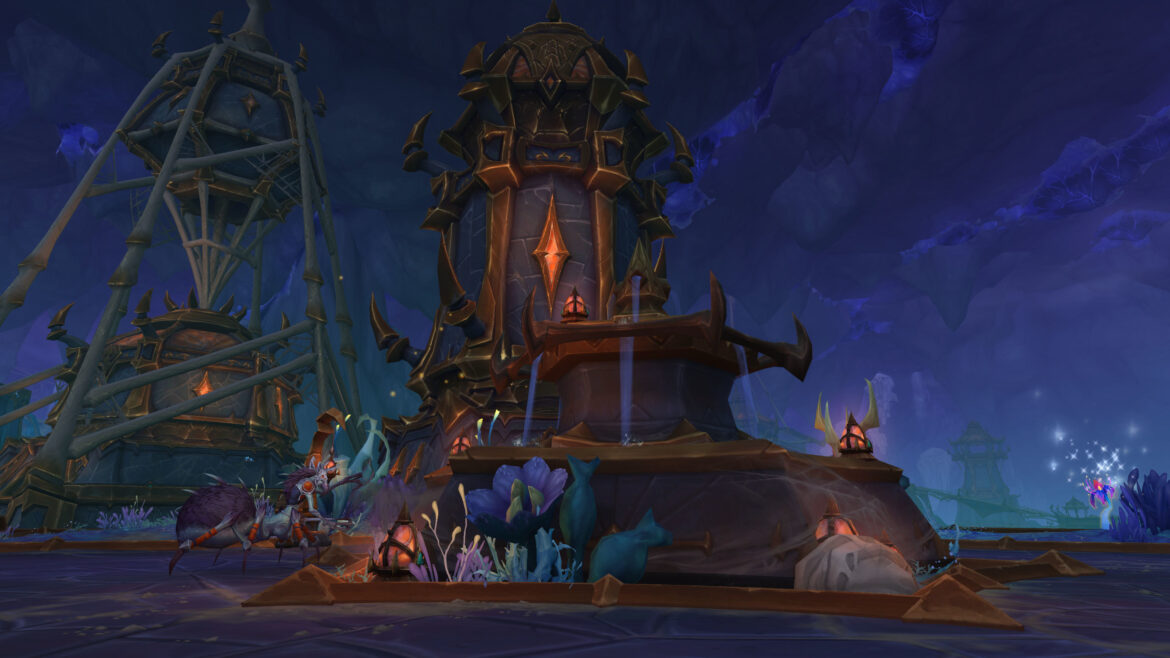
From Molten Core to Amirdrassil, raiding has always been the ultimate benchmark of teamwork in World of Warcraft. It demands patience, preparation, and precision under pressure. While classes evolve and systems modernize, the essence remains the same: twenty players moving as one, each action depending on the other’s success. In a genre defined by individual progression, raiding is still about unity.
This article explores why raiding continues to be the pinnacle of WoW’s cooperative design—and how it still challenges even the most experienced players in 2025.
The Foundations of Coordination
Every raid encounter is built around synchronization. Tanks manage positioning, healers time cooldowns, and damage dealers maintain output while executing mechanics flawlessly. One mistake can trigger a domino effect of chaos. This constant interplay turns raids into a living puzzle, demanding trust and communication above all else.
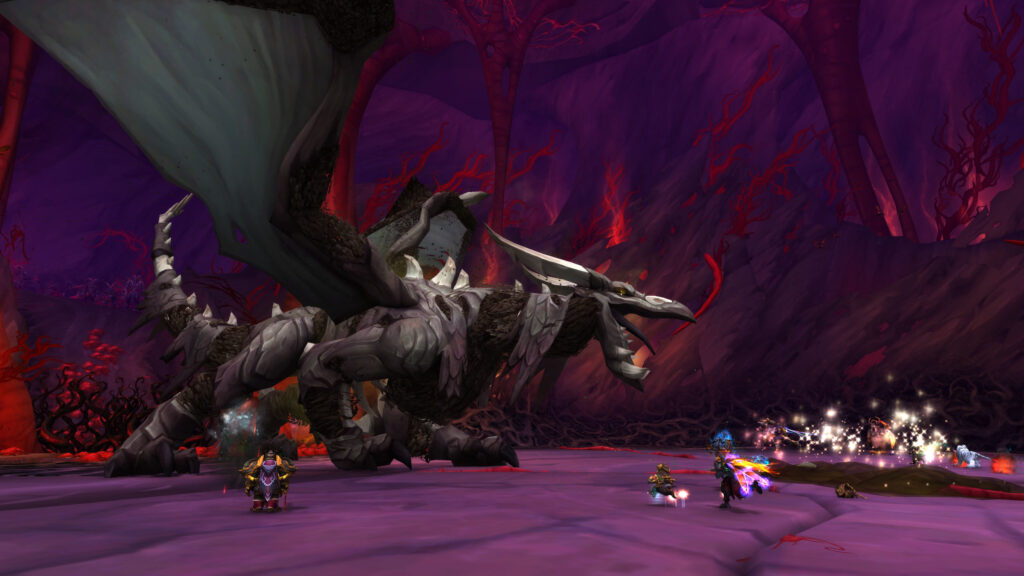
Unlike solo content, raids reward awareness as much as power—the collective rhythm that keeps twenty people alive against impossible odds.
Leadership and Preparation
Behind every successful raid stands a leader—or often, several. Raid leaders are tacticians, mentors, and motivators. They study encounters, manage rosters, and make real-time calls under stress. In many guilds, preparation begins days before the first pull: analyzing logs, reviewing compositions, and rehearsing strategies. True coordination starts long before combat begins.
This level of preparation transforms raids from simple content into professional-level teamwork exercises.
- Strategic Planning: Understanding boss mechanics and group assignments.
- Clear Communication: Ensuring every player knows their role and timing.
- Adaptability: Adjusting on the fly when plans go wrong.
- Emotional Control: Maintaining morale through repeated failures.
- Leadership Presence: Inspiring confidence and consistency in others.
The Evolution of Encounter Design
Blizzard’s raid design has grown exponentially in sophistication since 2004. Bosses now feature multiple phases, reactive AI, and mechanics that test spatial awareness and timing. Encounters like Mythic Kil’jaeden, Sylvanas Windrunner, and Fyrakk the Blazing have become showcases of cinematic storytelling and mechanical precision. Each raid tier becomes a conversation between creativity and chaos.
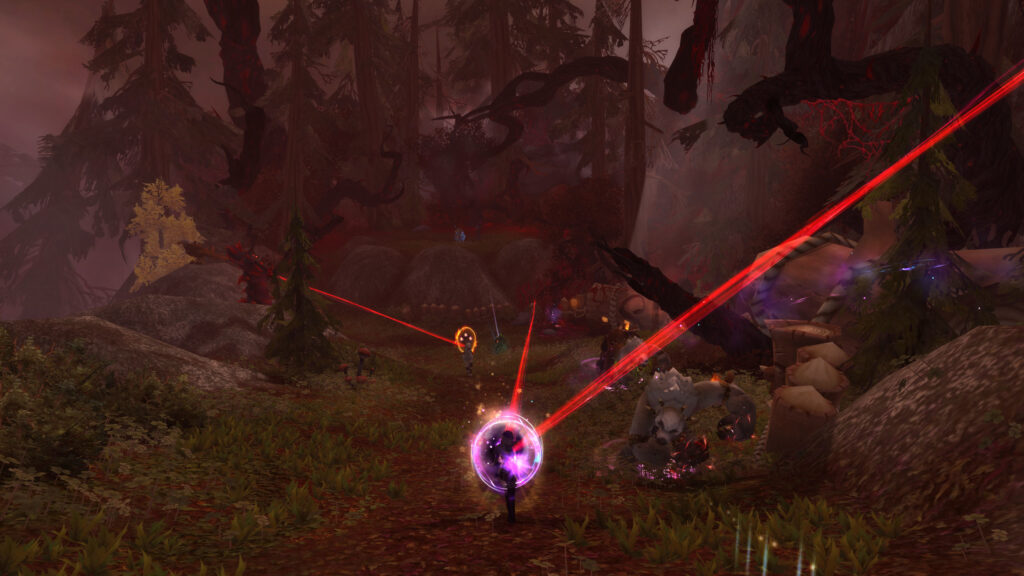
Even after years of experience, no two raid fights ever feel the same.
Mythic Difficulty: The Apex of Challenge
Mythic raiding is where coordination becomes art. Every cooldown, interrupt, and movement must align perfectly across twenty players. Guilds spend weeks or months chasing perfection, with each pull offering microscopic progress. The smallest improvement—one clean transition or extra second of DPS uptime—can be the key to victory. It’s not about luck; it’s about harmony earned through repetition.
Mythic raids turn teamwork into performance—one that’s rehearsed, refined, and perfected under pressure.
Raiding as a Cultural Pillar
Raiding isn’t just content—it’s identity. For many players, guilds become second families. Voice chat filled with laughter, frustration, and celebration builds bonds that last years. Even outside the game, these relationships persist, built on trust forged through shared endurance. Blizzard’s ongoing support for cross-faction and cross-realm raiding has only strengthened these communities further.
Every raid tier isn’t just a challenge—it’s a shared memory written into the fabric of player history.
The War Within: Refining the Formula
The War Within continues to refine raid philosophy with mechanics that emphasize adaptability and synergy. The new dynamic encounter system scales environmental hazards and ability timings based on team performance, testing flexibility rather than rote memorization. It rewards awareness, intuition, and leadership under pressure—keeping raids as the purest expression of collective mastery.
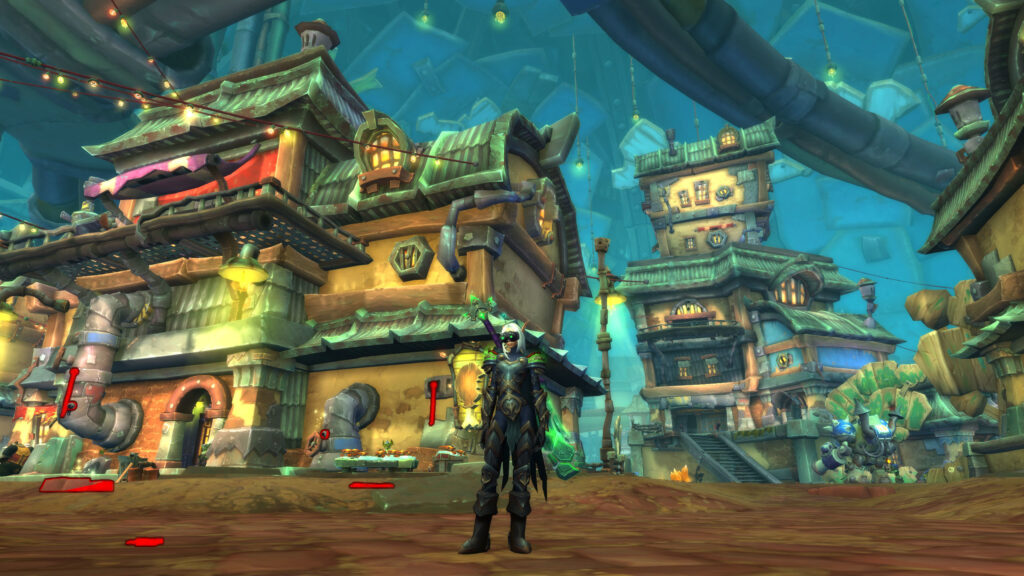
Even after two decades, raiding remains the beating heart of WoW’s cooperative gameplay.
Conclusion
Raiding endures because it captures the essence of teamwork like nothing else in gaming. It challenges players to communicate, persevere, and trust one another in pursuit of victory. Each raid clear is more than progression—it’s proof of coordination, patience, and unity. While the world of Azeroth evolves, the spirit of raiding remains timeless.
After twenty years, it’s still the ultimate test—not of power, but of people working as one.
Leave a Reply