

Introduction: The Evolution of WoW Through Its Expansions
Since its release in 2004, World of Warcraft (WoW) has gone through numerous expansions that have not only added new content but also reshaped the game in significant ways. Each expansion introduced new features, zones, gameplay mechanics, and an evolving story that kept players coming back for more. In this article, we’ll take a look at the history of WoW’s expansions and examine what each of them added to the game, how they impacted the gameplay experience, and what players can expect from future content.

1. The Burning Crusade (2007): The First Major Expansion
The first expansion for WoW, The Burning Crusade, introduced the shattered world of Outland, as well as two new playable races: the Draenei for the Alliance and the Blood Elves for the Horde. The expansion’s story focused on the return of the Burning Legion and their invasion of Azeroth.
Key Features
- New Playable Races – The Draenei and Blood Elves brought new lore, abilities, and a fresh dynamic to both factions.
- Outland Zones – The shattered world of Outland featured new, diverse environments with dangerous enemies and powerful bosses.
- Introduction of Flying Mounts – This expansion added flying mounts, revolutionizing movement in the game and allowing players to traverse the expansive world in a new way.
2. Wrath of the Lich King (2008): The Rise of the Lich King
Wrath of the Lich King was a game-changer, not just in terms of content, but in its story focus on one of WoW’s most iconic characters: the Lich King. The expansion introduced the frozen lands of Northrend, where players battled against the undead Scourge, led by the tragic figure of Arthas Menethil.
Key Features
- The Death Knight Class – Wrath of the Lich King introduced the Death Knight, a hero class with unique abilities and a compelling backstory tied to the Lich King.
- Northrend Zones – The icy, expansive continent of Northrend became the focal point of the expansion, filled with lore-rich areas and powerful enemies.
- Raid and Dungeon Content – Iconic raids like Naxxramas and the Lich King’s Icecrown Citadel became highlights, offering some of the most challenging content in the game.
3. Cataclysm (2010): The World is Shattered
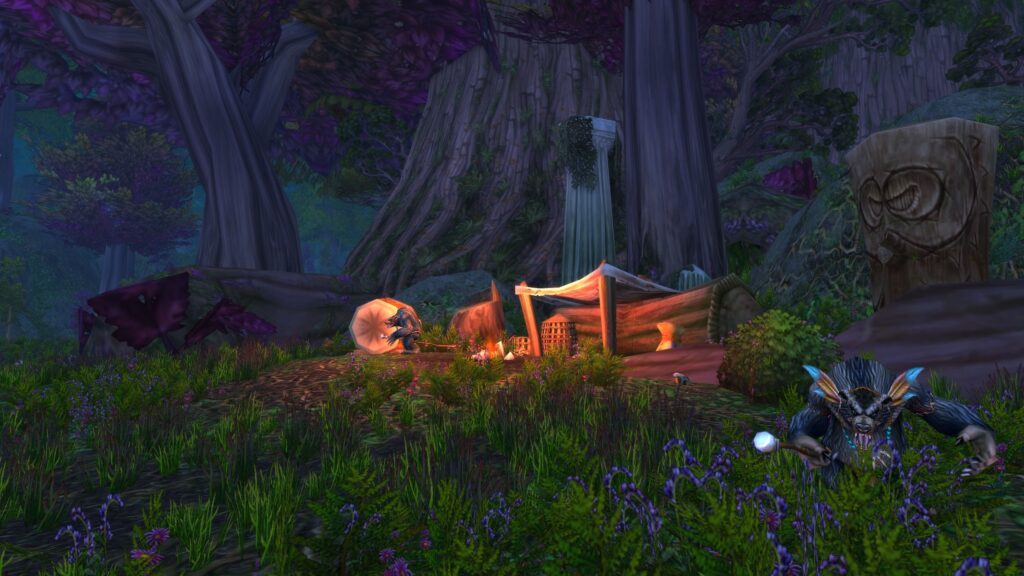
Cataclysm brought a massive upheaval to Azeroth as the corrupted Dragon Aspect, Deathwing, returned to ravage the world. The expansion’s most significant feature was the complete reshaping of Azeroth’s landscape, with many zones being destroyed or altered forever.
Key Features
- New Playable Races – The Goblins for the Horde and Worgen for the Alliance were introduced, each with their own unique abilities and backstories.
- Shattered Azeroth – The world itself was changed, with familiar zones like the Barrens and Thousand Needles drastically altered by Deathwing’s wrath.
- New High-Level Zones – The expansion added two new high-level zones: the Eastern Kingdoms and Kalimdor’s broken landscapes now feature new dungeons and quests.
4. Mists of Pandaria (2012): Discovering the Pandaren
Mists of Pandaria introduced players to the mysterious Pandaren, a peaceful race with a rich cultural heritage. The expansion was unique in its focus on exploration, philosophy, and balance, offering players new zones and a new class to enjoy.
Key Features
- The Pandaren Race – Players could now play as the Pandaren, choosing between the Alliance or Horde and experiencing a new, engaging starting zone.
- The Monk Class – The Monk class was introduced, offering a unique playstyle focused on martial arts, healing, and tanking.
- New Zones – Pandaria was a lush, vibrant land filled with lush landscapes, ancient temples, and dangerous foes.
5. Warlords of Draenor (2014): The Iron Horde’s Invasion
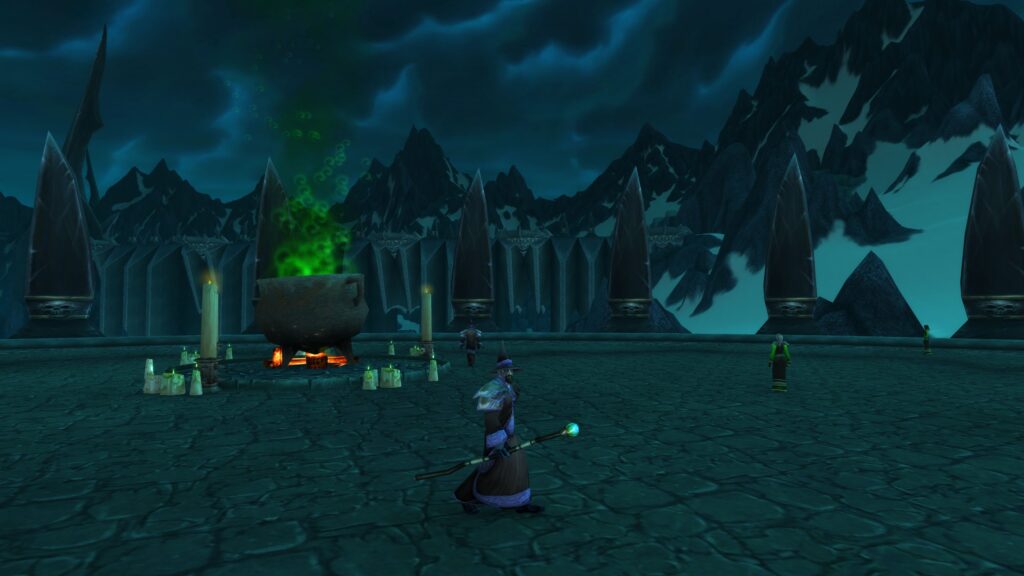
Warlords of Draenor focused on the shattered world of Draenor, home of the Orcs and Draenei. The expansion’s story revolved around an alternate-timeline invasion of Azeroth by the Iron Horde, a warlike faction of orcs.
Key Features
- Garrisons – Players could build and manage their own base of operations, a feature that added depth to gameplay and increased player customization.
- New High-Level Zones – The expansion introduced stunning new zones like Tanaan Jungle and the vast, war-torn lands of Draenor.
- Character Model Overhaul – The expansion included a complete overhaul of player character models, updating their appearance to match modern graphics standards.
6. Legion (2016): The Return of the Burning Legion
Legion brought back the Burning Legion in full force, challenging the heroes of Azeroth to defend against a full-scale invasion. The expansion introduced the Demon Hunter class and added the Broken Isles as a new continent to explore.
Key Features
- The Demon Hunter Class – The Demon Hunter class was introduced as a hero class, with a focus on agility and mobility, making it a favorite among many players.
- Artifacts – Legion introduced Artifact weapons, powerful items that could be customized and upgraded as players progressed through the expansion.
- The Broken Isles – A new continent with unique zones and rich lore, the Broken Isles was a major highlight of the expansion.
7. Battle for Azeroth (2018): Factions at War
Battle for Azeroth focused on the ongoing war between the Alliance and Horde, with players participating in large-scale faction conflicts. The expansion’s story brought players back to the forefront of faction warfare and conflict over Azeroth’s resources.
Key Features
- Allied Races – Players could unlock and play as new sub-races, such as Void Elves, Dark Iron Dwarves, and Nightborne Elves, adding new customization options.
- Warfronts – A new feature that allowed large groups of players to engage in strategic, PvE-based battles to control key areas.
- Island Expeditions – A new type of content where players ventured into uncharted islands to gather resources and battle enemies in a fast-paced, cooperative environment.
8. Shadowlands (2020): The Afterlife of Azeroth
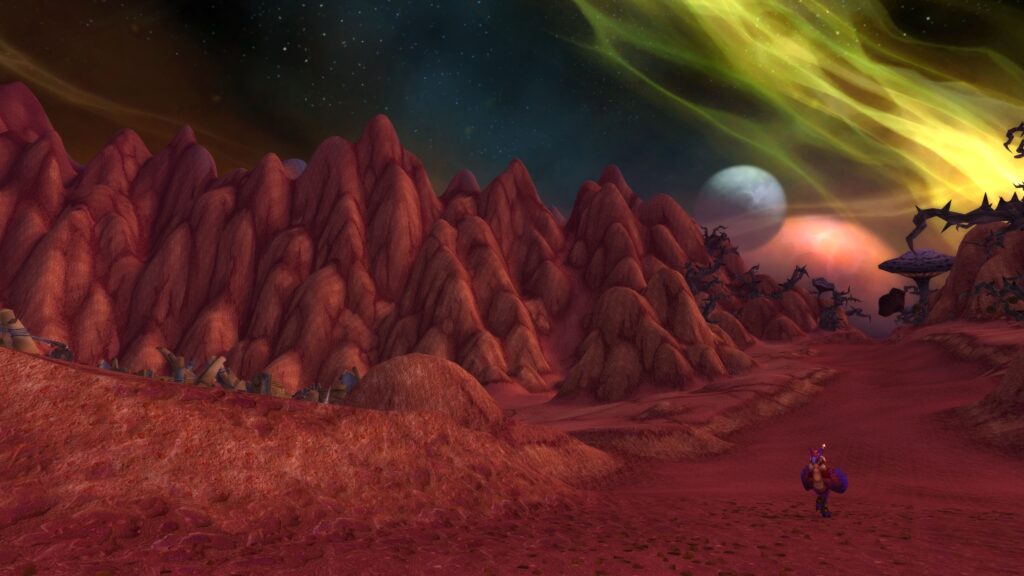
Shadowlands explored the realms of the afterlife, introducing players to the four Covenants and offering new ways to customize their characters through the use of Soulbinds and Conduits. The expansion’s story focused on the death of the Arbiter and the chaos that followed in the Shadowlands.
Key Features
- The Covenants – Players could align with one of the four Covenants (Kyrian, Venthyr, Necrolords, or Night Fae), each offering unique abilities and rewards.
- Soulbinds and Conduits – A new customization system that allowed players to modify their abilities and stats based on their Covenant choice.
- New Zones – The Shadowlands introduced new zones that represented different aspects of the afterlife, each with its own challenges and rewards.
Conclusion: The Legacy of WoW’s Expansions
WoW’s expansions have not only expanded the game’s world but also brought new gameplay features, lore, and challenges to players. Each expansion added its own unique flavor to the game, with some pushing the boundaries of storytelling and others refining the gameplay experience. With each new chapter, WoW has remained a dynamic and evolving world that continues to captivate players. Looking ahead, future expansions will no doubt continue this tradition of innovation, ensuring WoW’s place in the gaming world for years to come.
Home
Leave a Reply